
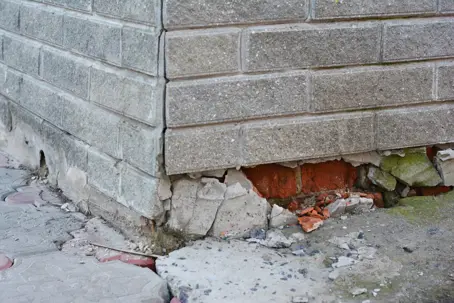
Selling a home is a major milestone, but discovering structural damage can quickly derail your plans and leave you wondering about your options. In Colorado, where environmental factors constantly test structural integrity, homeowners frequently face this exact dilemma. The short answer is yes, you can sell a house with foundation issues, but the path you choose will significantly impact your financial return and how long your property sits on the market.
Navigating the real estate market with a compromised base requires a clear understanding of your legal obligations and the local climate factors at play. Along the Front Range, expansive clay soils and dramatic freeze-thaw cycles routinely cause foundations to shift, crack, or settle unevenly. If you decide to sell the property as-is, Colorado law requires full disclosure of these known structural problems. While selling a damaged home directly to cash investors is an option, it typically means accepting low-ball offers.
Opting for professional foundation repair before listing the property is the smartest way to maximize resale value, preserve your equity, and attract traditional buyers.
Key Factors to Consider When Selling a House with Structural Issues
Addressing a compromised foundation involves weighing your legal responsibilities against your financial goals. Here are the top five things you need to know about navigating the market with a damaged foundation.
1. Mandatory Disclosure Laws
Colorado real estate laws require home sellers to disclose all known material defects in writing. If you notice cracks in the drywall, sticky doors, or unlevel floors, you cannot hide them. Concealing these issues can lead to expensive lawsuits long after the sale closes, so upfront honesty is your best legal protection.
2. Reduced Buyer Competition
The vast majority of traditional buyers use conventional mortgages, and many lenders will refuse to finance a home with unaddressed structural damage. Selling your home as-is eliminates a massive portion of the market, leaving you primarily with house flippers and cash investors who will demand steep discounts.
3. Home Inspector Red Flags
Even if a buyer is willing to take a chance on your property, a professional home inspection will easily spot signs of settling, bowing basement walls, or poor lot drainage. When these red flags appear on an inspection report, buyers frequently walk away entirely or demand thousands of dollars in price reductions.
4. The Power of Transferable Warranties
Fixing your foundation before listing the property transforms a major liability into a powerful selling feature. By partnering with a team that uses premium structural products like Intellitork and Sika, you can hand prospective buyers a secure, transferable warranty that guarantees long-term stability and ultimate peace of mind.
5. Preserving Your Hard-Earned Equity
While structural repairs require an upfront investment, they almost always pay off during negotiations. Homes that are structurally sound sell faster and much closer to their actual market value, allowing you to walk away from the closing table with your hard-earned equity intact.
Secure Your Home's Value Before Listing
Every property along the Front Range interacts differently with the local geography, depending on lot grading, building age, and moisture exposure. A site-specific assessment ensures you get an honest look at exactly what your home needs, whether that involves foundation lifting, crack sealing, or comprehensive drainage improvements. Addressing these underlying issues now ensures a smooth, stress-free transaction later.
If you are preparing to put your property on the market and want to secure its structural integrity first, reach out to The Foundation Guys. Contact our local team today at (720) 809-7533 to schedule a thorough assessment and ensure your home stands on solid ground for its next owners.