Home›Blog›What to Expect During a Foundation Evaluation in Denver
What to Expect During a Foundation Evaluation in Denver
October 2026 · Maintenance · 7 min read
Blog
Article Summary
A useful foundation evaluation should start with your property and the symptom you noticed, not a predetermined repair. Here is what to expect during a foundation inspection in Denver, and the questions worth asking before you decide anything.
If you are nervous about scheduling a foundation evaluation, it helps to know what to expect during a foundation evaluation in Denver before anyone walks the property. Most homeowners are not worried about the appointment itself. They are worried about being told they need a large project they do not understand.
A foundation inspection in Colorado should do the opposite. It should give you a clear read on what is happening, what may be causing it, and what a reasonable next step looks like — even when that next step is monitoring rather than construction.
Why does a foundation evaluation start with the property instead of a repair?
The evaluation should begin with the structure in front of us, not with a solution chosen in advance. That means looking at the symptom you noticed first, then at the conditions around it that give it context.
In the Denver metro, those conditions matter. Expansive soils, snowmelt, changing moisture levels, and freeze-thaw cycles can all influence how a structure performs, and the same crack can have different causes on two houses on the same street.
That is why the visit is a diagnostic appointment, not a sales stop. Our approach to foundation repair is to find the cause before naming the fix.
What will a professional actually look at during a foundation inspection?
The starting point is whatever brought you to the phone — a crack, a damp basement wall, a sinking walkway, a door that sticks. From there, the review widens to the systems that surround it.
The symptom itself — location, width, direction, and whether it appears active or stable
The surrounding structure — walls, floors, framing, and how the symptom relates to how the structure is performing overall
Grading and drainage — where rain and snowmelt go once they reach the ground, and whether soil grading is moving water toward or away from the structure
Concrete — driveways, patios, walkways, and steps that have settled or created a low spot beside the house
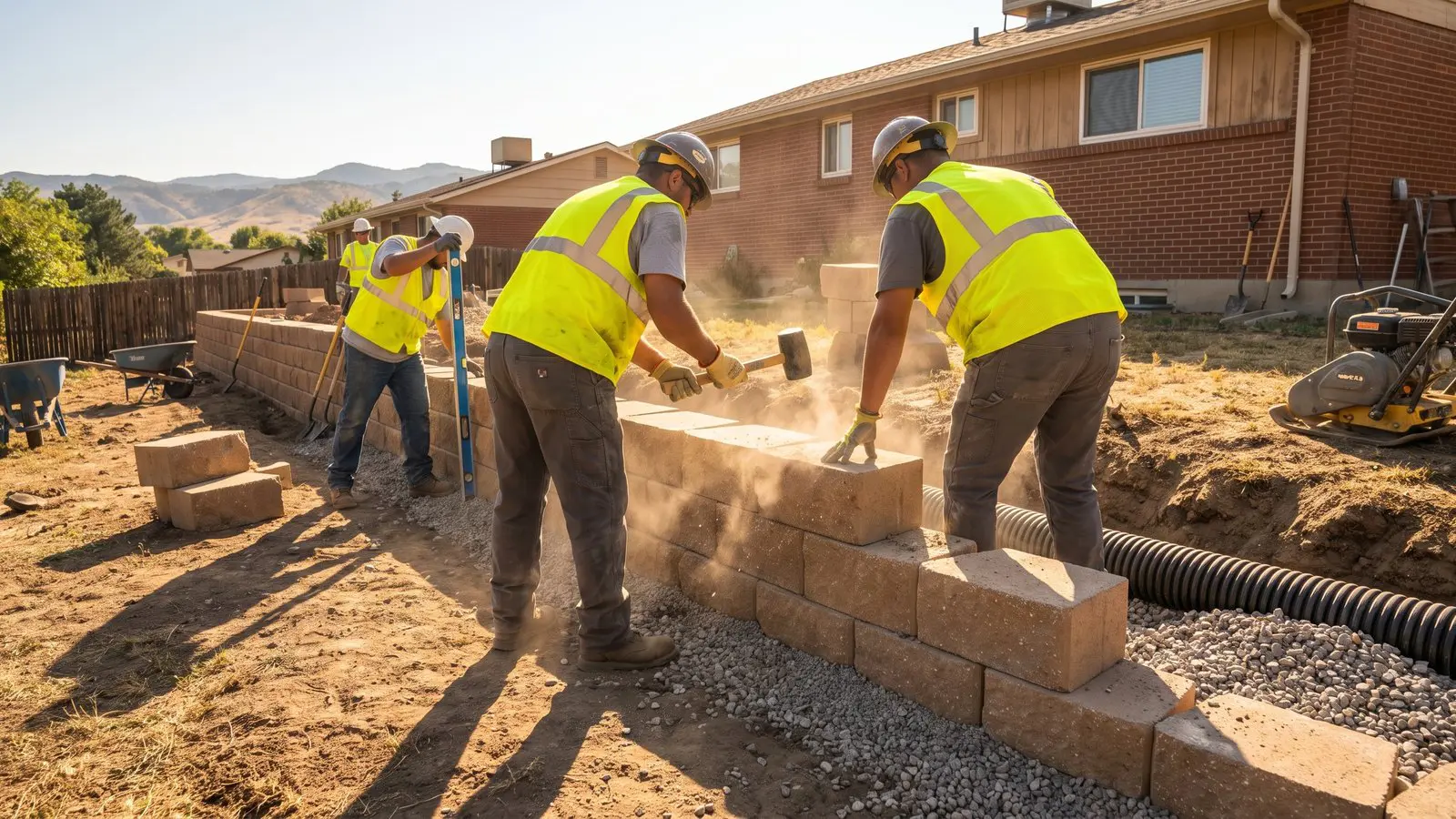
Retaining walls — leaning, separation, or signs that a retaining wall is carrying more water or soil pressure than it used to
Other context — downspout discharge, irrigation, previous repairs, and property history
None of those observations is a verdict on its own. Together, they explain the pattern.
What questions should you expect to be asked?
Expect a conversation, not just a walkaround. What you have observed over months is information no single site visit can reproduce.
Typical questions include: When did you first notice the crack, water, settlement, or movement? Has it changed since then? Does it affect a door, a floor, a walkway, or a wall? What have you seen during heavy rain or spring snowmelt?
If you have photos taken from the same angle over time, bring them. A timeline turns a static symptom into a trend, and a trend is far easier to interpret.
How should the findings be explained to you?
In plain language. You should leave the appointment understanding four things: what is known, what is still uncertain, what may be contributing to the problem, and which next steps are reasonable.
Honest uncertainty is part of a good evaluation. If a symptom needs to be watched through a wet season before anyone can be confident about the cause, you should be told that instead of being handed a scope of work.
“The goal of an evaluation is not to talk a homeowner into a bigger project. It is to give you enough reliable information about your property to make a good decision.”
What questions should you ask during the evaluation?
Bring your own list. A professional who is diagnosing rather than selling will welcome every one of these:
What do you know for certain about this symptom, and what is still uncertain?
What conditions on this property may be contributing to it?
Is this active, or does it appear stable right now?
Does drainage or grading belong in the solution, or is this structural?
What would you recommend if this were your own home?
What can reasonably wait, and what should not?
What does the recommended scope include — and what does it not include?
How will you confirm the cause before work begins?
Can you show me what you are seeing, in person, so I understand it too?
If we plan this for later, what should I watch for in the meantime?
What should the recommendation and the estimate include?
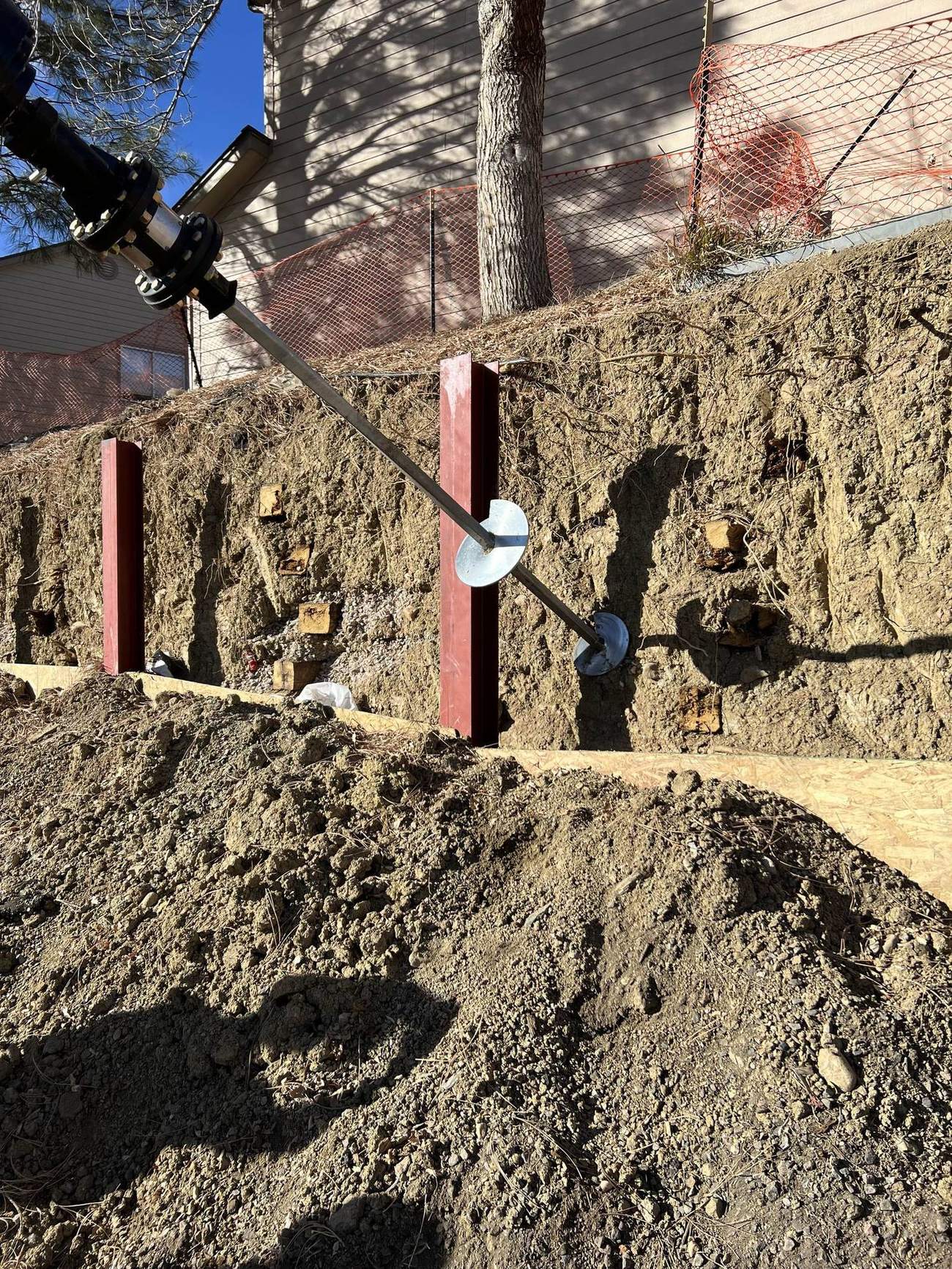
Sometimes the answer is repair or stabilization, such as helical piles for a settling structure. Sometimes it is drainage work like trench and french drains, concrete lifting, routine maintenance, monitoring, or a plan to schedule work in a later season.
The estimate should explain what is included so you can compare options on substance rather than a single number. If financing matters to your timing, ask about financing options for qualified homeowners as part of that conversation.
Then the decision is yours to make, with real information behind it.
Ready for a straight answer about your property? The Foundation Guys serves Lakewood, Golden, Littleton, and the greater Denver area with foundation, concrete, drainage, and retaining-wall evaluations. Schedule an evaluation and request a free estimate, or see the communities we serve across the Denver metro.
Frequently Asked Questions
What happens during a foundation inspection in Denver?
A professional reviews the symptom you noticed, then the surrounding structure, grading, drainage, concrete, and retaining walls. You should be asked when the issue started and whether it has changed, and the findings should be explained in plain language.
How long does a foundation evaluation take?
It depends on the size of the property and how many conditions need to be reviewed. Plan on enough time to walk the property, discuss the timeline of what you have observed, and go through the findings without being rushed.
Will I be told I need a repair?
Not necessarily. A recommendation may be repair or stabilization, drainage work, concrete lifting, maintenance, monitoring, or a plan to schedule work in a later season. The recommendation should match what the evaluation actually found.
How should I prepare for a foundation evaluation?
Note when you first saw the crack, water, settlement, or movement, and whether it has changed. Photos from the same angle help, along with anything you have observed during heavy rain or snowmelt.
Is financing available for foundation work?
You can ask about financing options for qualified homeowners during the estimate conversation. Make sure the estimate itself explains what is included so you understand exactly what you are considering.
H
The Foundation Guys. Family-owned. Serving Lakewood, Littleton, Golden, and the Denver metro since 2013. (720) 359-1386.
Foundation Trouble Right Now?
Settlement, water in the basement, or a wall that moved — call us. Clear next steps, no runaround.
Where Strength Meets Reliability. Foundation repair, basement waterproofing, concrete, and retaining walls across Lakewood, Littleton, Golden, and the Denver metro. Fully insured · Family-owned since 2013 · Financing via Hearth. Hablamos Español.