Home›Blog›A Crack Is a Clue, Not a Diagnosis: What a Foundation Crack Can and Can’t Tell You
A Crack Is a Clue, Not a Diagnosis: What a Foundation Crack Can and Can’t Tell You
November 2026 · Commercial · 5 min read
Blog
Article Summary
Finding a crack in a foundation wall does not automatically mean you need foundation repair. This article explains which crack details matter, how Colorado soil, moisture, and drainage can contribute to movement, what a useful foundation crack assessment looks at, and what to do next.
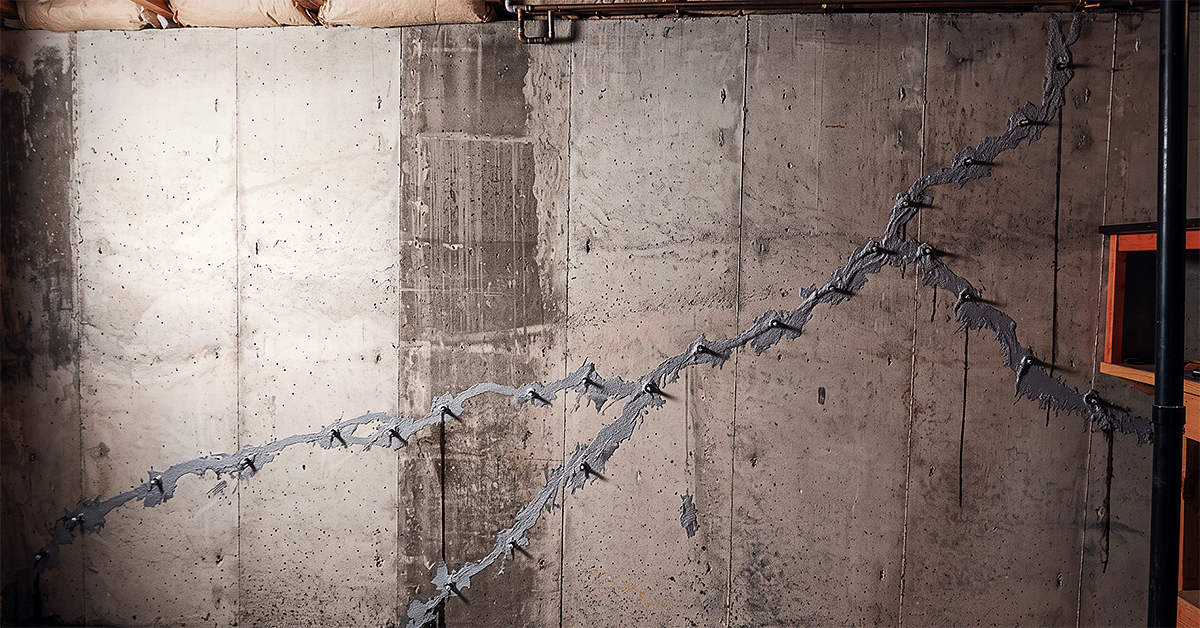
You found a crack in your wall. The first question most homeowners ask is simple: does this mean I need foundation repair?
Not necessarily. A crack is a reason to take a closer look, but it does not tell the whole story on its own. What matters is what is behind it.
Does a foundation crack mean you need foundation repair?
A crack is one piece of information, not a diagnosis. On its own, it cannot tell you whether a home is moving, why it might be moving, or what should be done about it.
That is why the right response is neither to assume the worst nor to ignore it. The right response is to understand it.
Which details about a foundation crack actually matter?
When a professional looks at a crack, the crack itself is only the starting point. Several details shape what it may mean:
Location: where the crack appears on the structure
Direction: how the crack runs
Size: how wide and long it is
Change: whether it is growing or shifting over time
Context: what else is happening around the property
How do Colorado soil and moisture affect foundation movement?
In Colorado, soil conditions and moisture changes can contribute to movement. Soil that takes on and loses water does not stay perfectly still beneath a structure.
Other factors can also be part of the picture:
Drainage around the home
The way water moves across and beside the property
The structure itself and how it was built
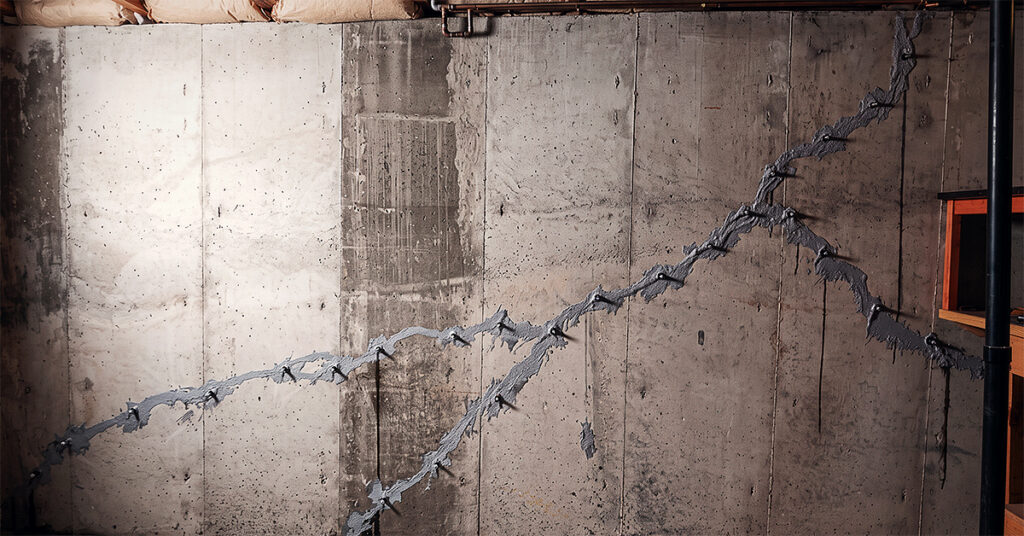
That is why a photo of one crack rarely answers the whole question. Problems with water redirection and gutters can play a role that a single image will never show.
“A crack is one piece of information, not a diagnosis. Its location, direction, size, whether it is changing, and what else is happening around the property all matter.”
What does a useful foundation crack assessment look at?
A useful evaluation looks at the property and the conditions behind the symptom, not just the visible crack. Its goals are straightforward:
Understand what may be causing the issue
Explain what was found
Lay out options that fit the actual problem
What the outcome may be
Sometimes monitoring or maintenance is appropriate. Sometimes a repair or stabilization plan makes sense. The evaluation is what tells you which one fits. Learn what to expect during a foundation evaluation.
What should you do if you’re concerned about a crack?
Note where the crack is on the structure
Watch whether it changes over time
Take photos so you can compare later
Get a professional assessment rather than assuming the worst or ignoring it
If you are concerned about a crack, schedule a free estimate and get a clearer picture of what is happening at your property.
Frequently Asked Questions
Does a crack in my foundation mean I need foundation repair?
Not necessarily. A crack is one piece of information, not a diagnosis. A professional evaluation looks at the crack and the conditions around the property before recommending any repair.
What details about a foundation crack matter most?
The crack’s location, direction, size, whether it is changing over time, and what else is happening around the property all matter when evaluating what it may mean.
How does Colorado soil affect foundation cracks?
In Colorado, soil conditions and moisture changes can contribute to movement. Drainage, the way water moves around the home, and the structure itself can also be part of the picture.
Can a photo of a crack tell me what is wrong?
A photo of one crack rarely answers the whole question. An evaluation considers the property and the conditions behind the symptom to understand what may be causing the issue.
What should I do if I find a foundation crack?
Note where the crack is and whether it changes over time, take photos to compare, and get a professional assessment rather than assuming the worst or ignoring it.
H
The Foundation Guys. Family-owned. Serving Lakewood, Littleton, Golden, and the Denver metro since 2013. (720) 359-1386.
Foundation Trouble Right Now?
Settlement, water in the basement, or a wall that moved — call us. Clear next steps, no runaround.
Where Strength Meets Reliability. Foundation repair, basement waterproofing, concrete, and retaining walls across Lakewood, Littleton, Golden, and the Denver metro. Fully insured · Family-owned since 2013 · Financing via Hearth. Hablamos Español.