Home›Blog›What Foundation Problems Can Wait Until Spring in Colorado?
What Foundation Problems Can Wait Until Spring in Colorado?
October 2026 · Maintenance · 7 min read
Blog
Article Summary
Not every foundation symptom requires an emergency repair before winter, but a concern that is changing, letting water in, or affecting how the property functions deserves a closer look. This guide explains what foundation problems can wait until spring in Colorado and what should be evaluated now.
If you have noticed a crack in a basement wall, a walkway that has settled, or a door that no longer closes the way it used to, the honest question is not only what is wrong. It is what can wait until spring, and what should not.
That question deserves a straight answer. In the Denver metro, expansive soils, snowmelt, and freeze-thaw cycles keep changing the conditions around a structure, so timing matters as much as the repair itself.
Here is how we think about it at The Foundation Guys: symptoms are information, not a diagnosis. The goal of the conversation is to understand the cause before anyone names a solution.
Why is “start the repair today” not always the right answer?
One of the most useful answers a foundation professional can give you is not always “start the repair today.” Sometimes it is a clear explanation of what can be monitored and what deserves attention before winter.
A small, stable cosmetic crack may not mean a major repair is needed. Concrete and masonry move, and not every line in a wall represents a structural problem.
A concern that is changing, allowing water in, affecting doors or floors, or connected to visible soil or wall movement is a different situation. That one deserves a closer look while conditions can still be observed.
We do not treat every symptom as an emergency, and we do not make the recommendation bigger than the problem. If you want context on how a crack is judged, our overview of common foundation issues in Colorado homes is a reasonable starting point.
Which foundation problems can wait until spring, and which should be evaluated?
No article can diagnose a specific property, and no one should diagnose from a photo. Still, there is a practical difference between a symptom that is stable and a symptom that is active.
Often reasonable to monitor and document
Hairline or narrow cosmetic cracks that have not changed in size, length, or direction
Minor settling in a slab or walkway that is not creating a trip hazard or redirecting water
Small surface flaking or shrinkage cracking in concrete with no separation
A symptom you have photographed over time that looks the same season after season
Worth an evaluation before winter
A crack that is widening, lengthening, or showing new separation or offset
Any point where water is entering a basement or crawl space
Doors or windows that suddenly stick or no longer latch, or floors that feel uneven or sloped
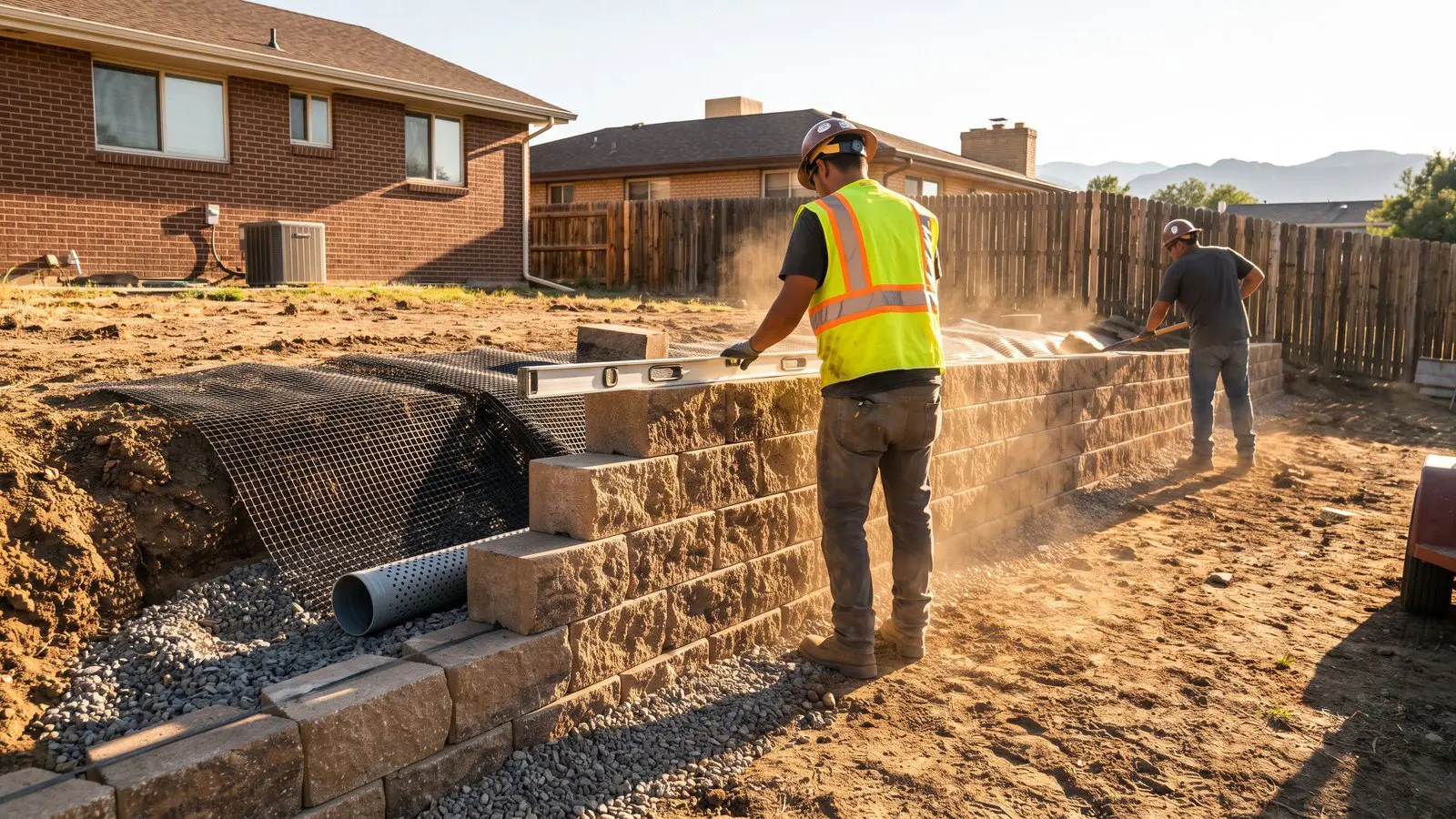
A retaining wall that is leaning, bulging, or pulling apart at the joints
Visible soil movement, erosion, or ground pulling away from the foundation
Concrete that has dropped enough to pitch water back toward the structure
Movement that affects how the property functions — a door that no longer closes properly, a floor that has changed, water where it did not used to be — belongs in the evaluate column, not the watch it column.
How should you document a foundation concern before winter?
Pay attention to change. A single snapshot tells a professional very little; a record over time tells the story of the property.
Take a photo from the same angle, in the same light, with something in frame for scale. Repeat it every few weeks through the fall.
Write down when you notice water, new separation, uneven concrete, or a door that no longer closes the way it used to. Note whether it happened during rain, during snowmelt, or after a cold stretch.
That timeline is genuinely useful during a foundation inspection. It helps connect a symptom to a cause instead of leaving the cause to guesswork.
“Symptoms are information, not a diagnosis. Our job is to understand what is moving and why before anyone recommends a repair — and a homeowner’s own timeline of photos and notes makes that a much better conversation.”
Why is drainage a reason not to wait for the first hard freeze?
Drainage is the one item we rarely suggest putting off. Water collecting near the foundation or a retaining wall keeps changing the conditions around the structure, and those conditions do not pause for the season.
If downspouts discharge next to the wall or puddles remain long after the snow has melted, the soil is behaving differently than it did when the property was dry.
Adjusting where water goes is often straightforward compared with structural work. Our water redirection and gutter services exist for exactly that reason.
The right fix could be a drainage adjustment, a repair, a stabilization plan, or monitoring. You need the evaluation before you need the label.
How does planning now make a spring foundation project easier?
Planning in the fall does not commit you to work. It replaces uncertainty with information.
Understand the cause. Know whether you are looking at drainage, soil movement, settlement, or something cosmetic.
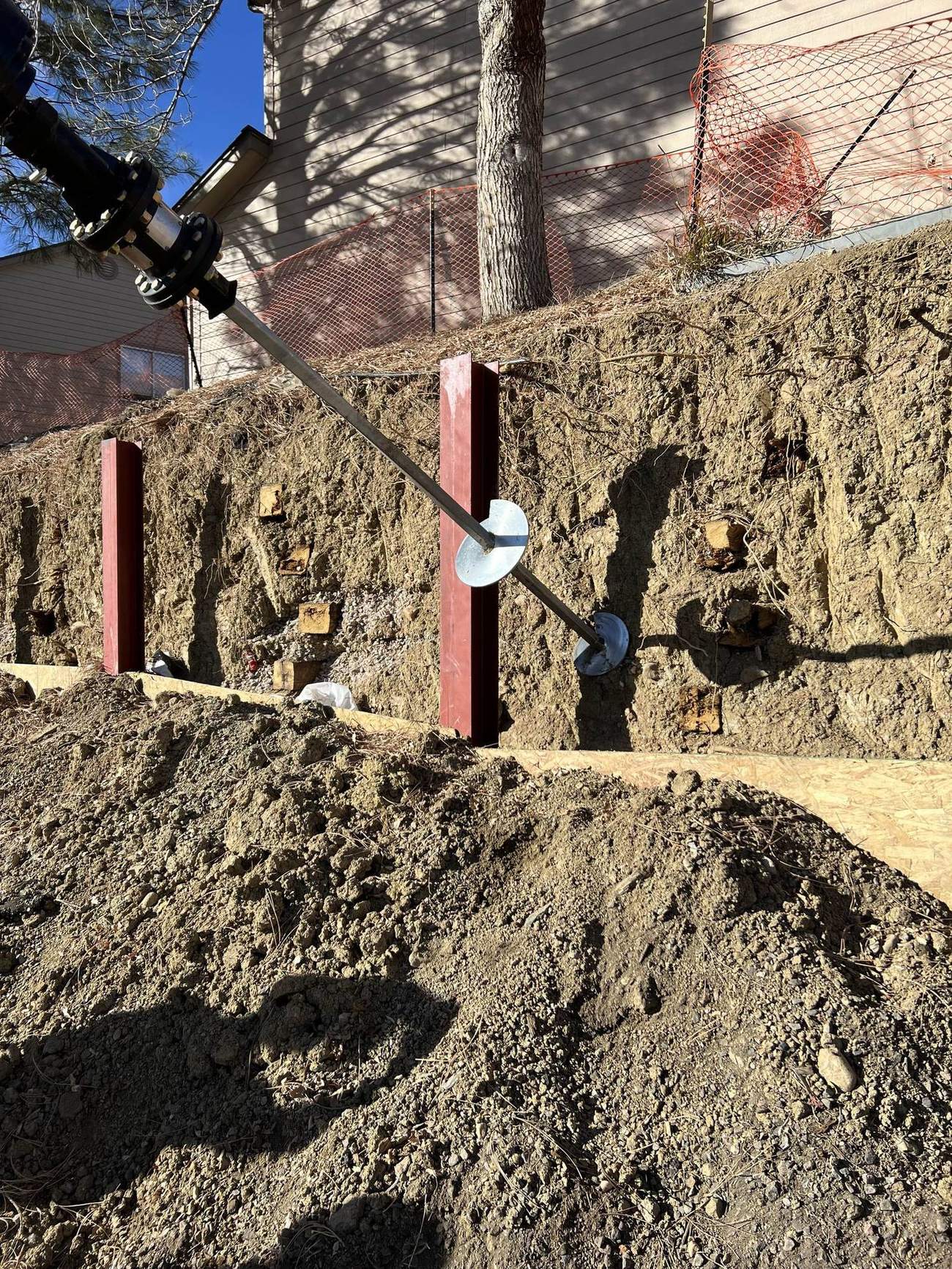
Compare options.Concrete leveling and lifting, drainage correction, stabilization, and monitoring are different scopes with different reasons behind them.
Ask about financing options for qualified homeowners if cost is part of the decision.
Decide the next step — including “monitor it and revisit in spring” — instead of spending the whole winter guessing.
The Foundation Guys works with homeowners across Lakewood, Golden, Littleton, and the greater Denver area. We find the cause before recommending the solution, and we say so plainly when the answer is that a symptom can be watched.
If you are unsure what can wait and what should not, schedule an evaluation and ask for a clear plan for your property. You will get an explanation of what we found, what is uncertain, and which options fit the problem. For more on how cracks are judged, read our post on 5 signs a foundation wall crack is a major problem.
Frequently Asked Questions
Can a foundation crack wait until spring in Colorado?
Sometimes. A small crack that has not changed in size or direction is often reasonable to monitor and document. A crack that is widening, letting water in, or paired with sticking doors or uneven floors should be evaluated before winter.
Does freeze-thaw weather make foundation problems worse?
Freeze-thaw cycles and moisture changes affect the soil around a structure, so conditions can shift over the winter. That is why drainage concerns and active movement are better addressed before the first hard freeze than after.
What should I photograph if I want to track a foundation concern?
Photograph the crack, wall, concrete, or door from the same angle each time, with something in frame for scale, and note the date. Add a short written note whenever you see water, new separation, or a change in how a door or floor operates.
Is a foundation evaluation only worth doing if I plan to repair something?
No. An evaluation is meant to explain the likely cause and the reasonable next steps, which may include drainage work, a repair, a stabilization plan, or simply monitoring on a schedule.
Does poor drainage always mean the foundation is damaged?
No. Drainage belongs in the evaluation because water changes the soil conditions around a structure, but pooling water does not by itself confirm structural damage. The evaluation connects the symptom to the property.
H
The Foundation Guys. Family-owned. Serving Lakewood, Littleton, Golden, and the Denver metro since 2013. (720) 359-1386.
Foundation Trouble Right Now?
Settlement, water in the basement, or a wall that moved — call us. Clear next steps, no runaround.
Where Strength Meets Reliability. Foundation repair, basement waterproofing, concrete, and retaining walls across Lakewood, Littleton, Golden, and the Denver metro. Fully insured · Family-owned since 2013 · Financing via Hearth. Hablamos Español.