Home›Blog›Can Poor Drainage Cause Foundation Problems in Colorado?
Can Poor Drainage Cause Foundation Problems in Colorado?
October 2026 · Maintenance · 7 min read
Blog
Article Summary
A foundation problem does not always begin with a crack — sometimes it begins with water. Here is how drainage, expansive soils, snowmelt, and freeze-thaw cycles belong in a Colorado foundation evaluation, and why the visible crack is rarely the whole story.
Most homeowners start looking for answers after they notice something on a wall. A foundation problem does not always begin with a crack, though. Sometimes the conversation begins with water.
Rain and snowmelt change the moisture conditions in the soil around a home. If water is collecting beside the foundation, moving toward the structure, or concentrating near a retaining wall, the soil may behave differently than it did when the property was dry.
That is worth understanding before winter, because drainage is one of the few conditions a homeowner can actually observe from the outside.
Can poor drainage cause foundation problems in Colorado?
Drainage can influence how soil behaves around a foundation, and soil behavior is part of how a structure performs over time. In that sense, yes — poor drainage can contribute to foundation problems, and it can make an existing concern more noticeable.
That does not mean poor drainage is the cause of every foundation issue. It means drainage belongs in the evaluation.
Water also does not need to enter a basement to matter. Conditions in the soil beside the footing can change while the interior still looks dry, which is why our team looks at the symptom alongside grading and water movement rather than in isolation.
What drainage clues should Denver homeowners look for?
Start with the simple clues. None of them is a diagnosis — they are the observations that tell a professional where to look.
Downspouts that discharge next to the foundation instead of carrying water away from the structure
Ground that slopes toward the house, so rain and snowmelt run back toward the wall
Puddles that remain after the rain has stopped, especially in the same spots each time
Dampness or staining on a foundation wall, slab edge, or basement wall
Erosion or visible soil movement, including washed-out mulch, gravel, or soil low against the wall
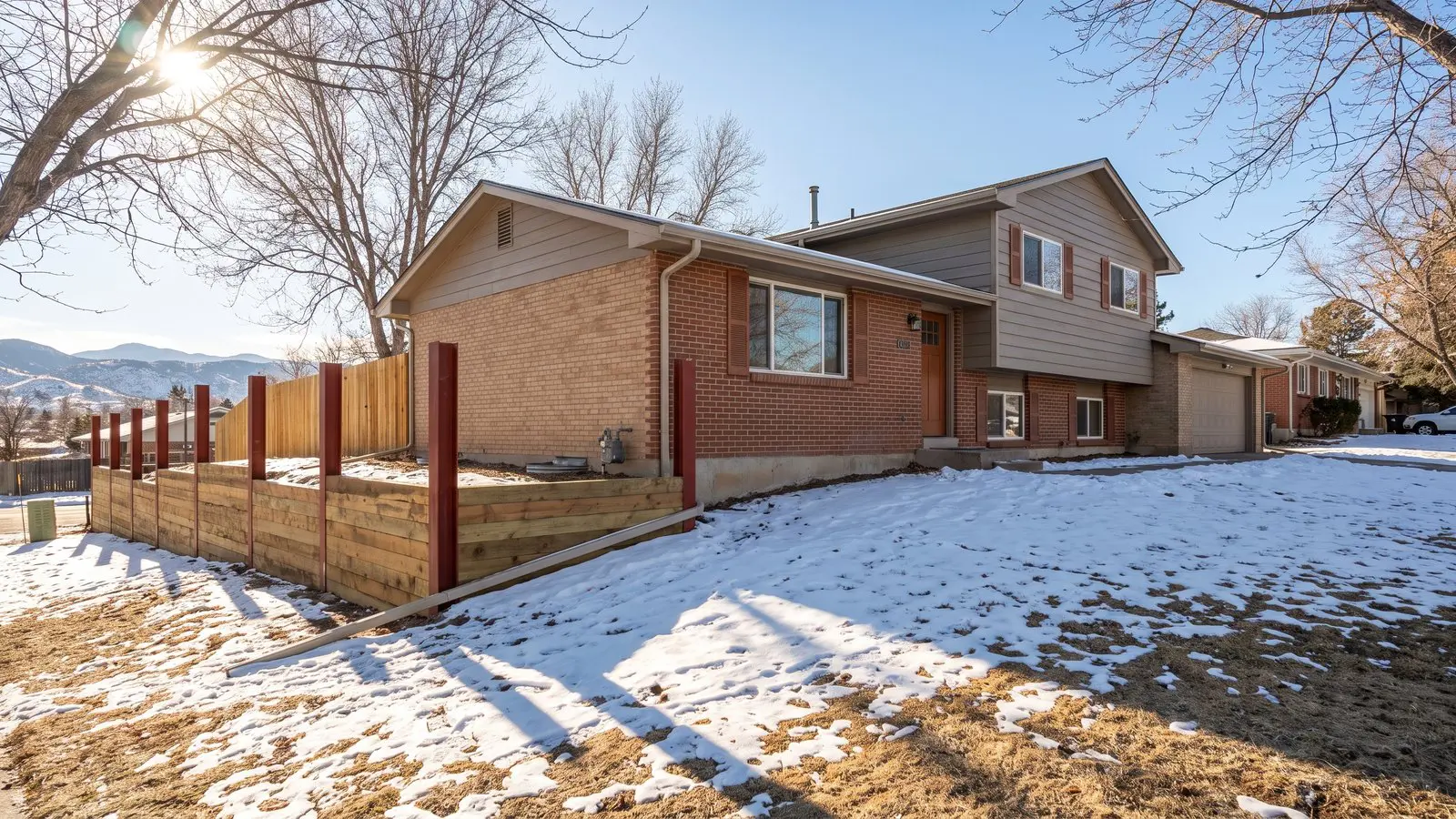
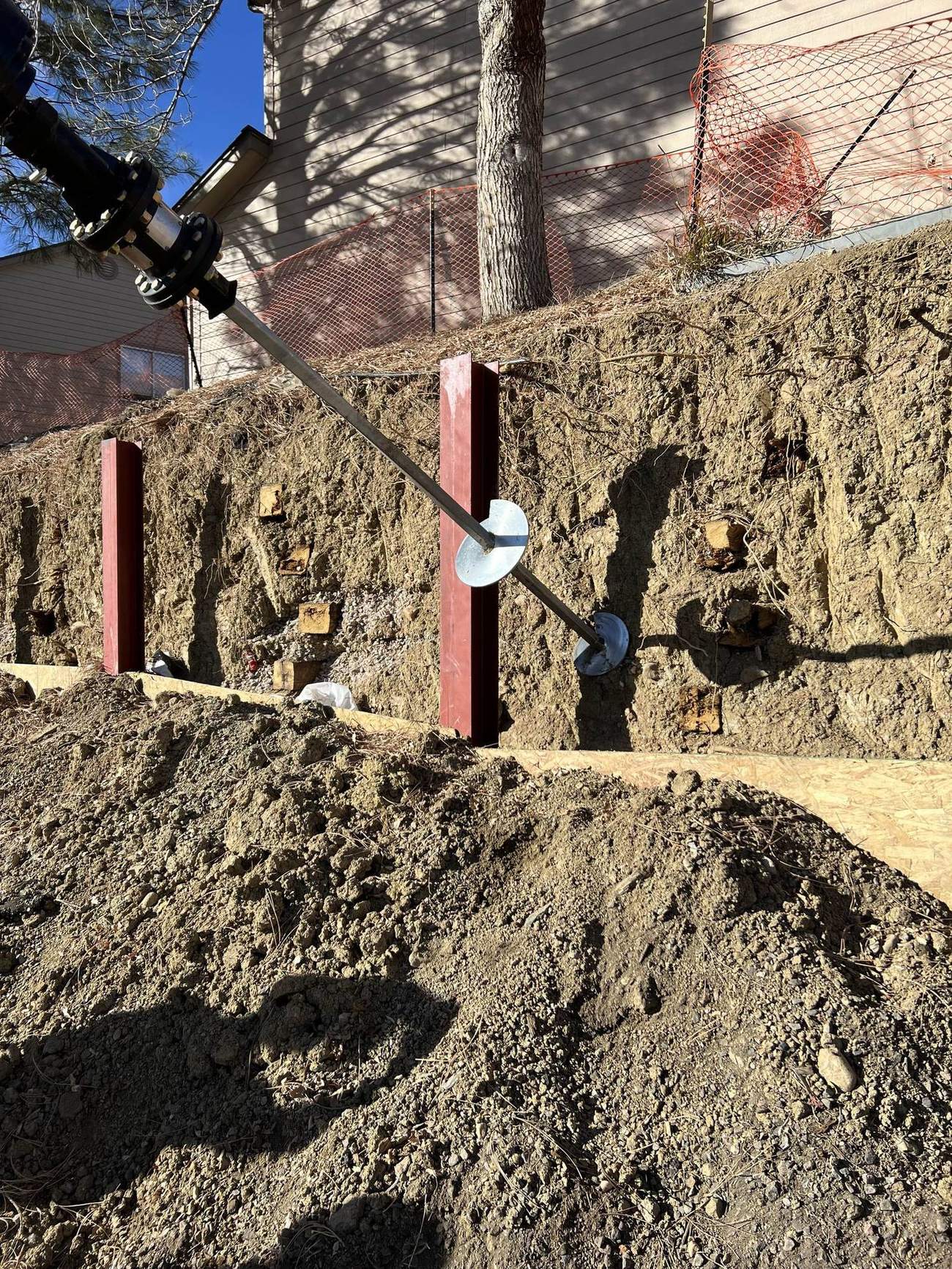
A retaining wall carrying more water or soil pressure than it used to — leaning, bulging, or separating at the joints
If several of those show up in the same area of the property, that area is usually where the evaluation starts. Correcting the water path may involve water redirection and gutter work, soil grading, or a drain system, depending on what the site allows.
How do expansive soils, snowmelt, and freeze-thaw fit into the picture?
In Colorado, expansive soils, snowmelt, freeze-thaw cycles, and ordinary changes in moisture can all be part of the picture. Soils that expand when wet and shrink when dry do not apply pressure evenly, and repeated wet-dry or freeze-thaw cycling can change conditions season to season.
That is why the same symptom can have different causes on two homes on the same street. The structure, the drainage, the soil, the slope, and the property’s history all matter.
Freeze-thaw foundation preparation is not about fear. It is about knowing what changed since last winter.
Why can fixing only the visible crack miss the real issue?
A crack is information. It tells you something is happening, not necessarily what or why.
Fixing only the visible crack may miss what is changing around it. If water is still concentrating in the same place, the conditions that produced the symptom have not been addressed — and the repair may not be the right size for the actual problem.
The reverse is also true: not every damp spot or hairline crack means structural work. Sometimes the honest answer is that the property should be documented and watched. Our foundation inspection process is built to tell those situations apart.
“Water is usually the first thing we look at, not the last. If drainage is quietly changing the soil beside your foundation, repairing the crack by itself can leave the cause exactly where it was.”
Depending on what the evaluation finds, the goal might be drainage correction, foundation repair, concrete lifting, retaining-wall work, or simply a monitoring plan. The right answer depends on the property, not on a preferred product.
If work is recommended, the estimate should explain what is included and why. If a project is better suited to spring, that is worth saying plainly. If financing is relevant to your planning, ask about financing options for qualified homeowners.
If water is collecting around your property, or you are seeing movement near the foundation or a retaining wall, schedule an evaluation with The Foundation Guys. We will explain what is happening, why it may be happening, and which options are worth considering.
Ready for a straight answer about the water around your home?Request a free estimate and get a clear, right-sized plan for your property.
Frequently Asked Questions
Can poor drainage cause foundation problems in Denver?
Poor drainage can change the moisture conditions in the soil around a foundation, and that can contribute to or worsen a foundation problem. It is not the cause of every issue, which is why drainage should be reviewed as part of a full evaluation rather than assumed.
Does water have to enter my basement for drainage to be a concern?
No. Conditions in the soil beside the foundation can change while the interior still looks dry. Pooling, erosion, staining, and soil movement outside are worth noting even without interior water.
How do expansive soils and freeze-thaw cycles affect a Colorado foundation?
Expansive soils swell when wet and shrink when dry, so pressure against a foundation is not constant. Snowmelt and freeze-thaw cycles repeat those moisture changes, which is why the same symptom can have different causes from one property to the next.
Should I repair a foundation crack before fixing drainage?
That depends on what the evaluation finds. Repairing a crack while water continues to concentrate in the same area may address the symptom without addressing what is changing around it, so both are usually considered together.
What might a drainage-related recommendation include?
It could be drainage correction, grading work, foundation repair, concrete lifting, retaining-wall work, or a monitoring plan. The scope should match what the assessment actually finds on the property.
H
The Foundation Guys. Family-owned. Serving Lakewood, Littleton, Golden, and the Denver metro since 2013. (720) 359-1386.
Foundation Trouble Right Now?
Settlement, water in the basement, or a wall that moved — call us. Clear next steps, no runaround.
Where Strength Meets Reliability. Foundation repair, basement waterproofing, concrete, and retaining walls across Lakewood, Littleton, Golden, and the Denver metro. Fully insured · Family-owned since 2013 · Financing via Hearth. Hablamos Español.